|
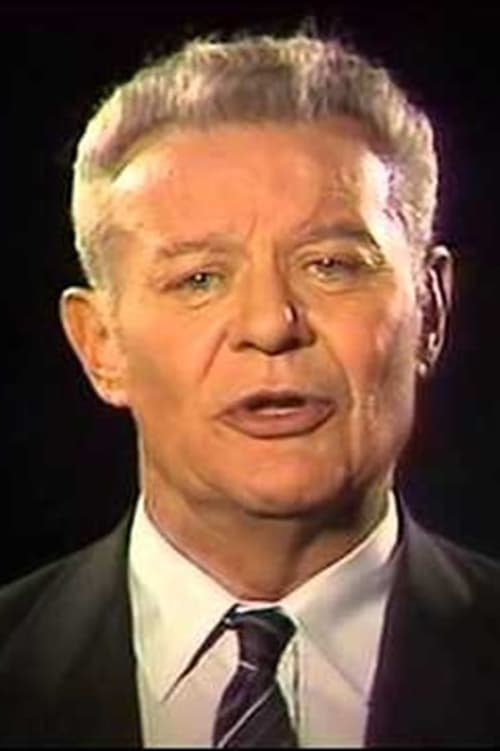
Négyen az árban (1961)
Character: Major Farkas
December 1956. The region by the Tisza is evacuated because of a threatening flooding. Laci, Karcsi and Péter leave their home on the lorry
|
|

|
Szakadék (1956)
Character: N/A
Nagy István, the formerly poor peasant boy returns to his native village as a teacher. His conviction is that the abyss between rich and poor can be diminished by good will. The rich Böröcz Horváth Klári returns his love, and also Böröcz Horváth is willing to help the poorest family, the Bakos. Bakos Jóska, who was sent to serve the tough Böröcz Horváth as a payment, dies of an infected wound and the people in the village hold the teacher liable as well. Nagy István realises, that the abyss cannot be ceased, what is more, it is impassable. He breaks up with his fiancée and stands by the side of the poor.
|
|

|
Gyertek el a névnapomra (1983)
Character: Bíró László
The elite of political and business life of the country town gather to celebrate the namesday of Haudek László in the luxury villa. Everything begins just as usual, but now an incident disturbs the stag party.
|
|

|
Csempészek (1958)
Character: General Frontier
In the thirties, the poor living by the Romanian-Hungarian border were forced to smuggle if they wanted to survive. Mihály, a Hungarian peasant, kills a border guard while fleeing. He is fed up with smuggling and wants to put an end to it, yet he needs money to get a job, so he embarks on another turn.
|
|

|
A tettes ismeretlen (1958)
Character: Pista bácsi, rendõr
Life is on in the old house of Vizváros. Kids play on the ground. The adopted son of the janitor, Matyi, is hopelessly in love with Juli. He would like to emigrate to America with her. She prefers Janó, the driver, a great womaniser.
|
|

|
Tegnap (1959)
Character: N/A
October, 1956. Colonel lieutenant Szabó sends a platoon with the mission of calming the people demonstrating in the town. The platoon is lined up under the command of Lieutenant Csendes and the soldiers aim at the demonstrators. Szusza Kis changes sides, and Csendes is unable to shoot at his childhood mate. They withdraw.
|
|

|
Keserű igazság (1956)
Character: Major
Sztankó János, the freshly appointed director of a company that builds agricultural factories meets his former classmate, Palócz. Palócz is just released from the prison where he got on made-up charges. Sztankó suddenly decides to employ the engineer since he wants to show up spectacular, quick results.
|
|

|
Hattyúdal (1963)
Character: N/A
A past world is revived in the little cottage in the outskirts, next to the housing blocks under construction. Tamburás, the old hobo collects swerved youth: Diák, who desires freedom, the bus driver who is deprived of his license for having run over someone, and the rest. They have got an easy and unbound life there, with constant music, small thefts, occasional labour, tricks.
|
|

|
Dani (1957)
Character: N/A
Dani, the few-month-old little boy born outside marriage is left by Eszter in the lap of her companion on the train. The widowed Aranka takes him willingly to her. The child is already ten years old and has a good life with Aranka. Then Géza enters their life and he does not welcome the child of someone else.
|
|

|
Egy asszony elindul (1949)
Character: Kovács, staff
The story is about a woman who is waiting for the return from the war of her front-line soldier husband. Ilonka and her two children return from the village to their apartment in Budapest. Her husband is held captive by the Americans and awaits the first opportunity to return home, but he does not yet know that his fellow soldiers suspect him of complicity in crimes. In the meantime, Ilonka takes a job in a factory to make a living...
|
|

|
Virrad (1960)
Character: staff sergeant Fehér
A sequel to "Yesterday". About the defeat of the Hungarian uprising of 1956. The action takes place in the barracks of the People's Army, in the War Ministry and in one of the largest factories in Budapest.
|
|

|
Valahol Magyarországon (1987)
Character: Gruber
1985. Hungary has elections for the first time since long where more than one candidate is allowed to run. The engineer Bodnár is the most popular man in the rural town, who has defended the microclimate of the neighbourhood against a harmful project. Before the elections he is also put on the list. Local power launches a fight against him,
|
|

|
Burok (1972)
Character: N/A
A successful architect meets a university student 30 years younger than him. They start a complicated, whirlwind relationship.
|
|

|
Nem szoktam hazudni (1966)
Character: Father
Mythomaniac teenager Anna tries to impress her schoolmates so she impersonates a journalist to meet her dancer crush who she said to be in a relationship with.
|
|

|
Gábor diák (1956)
Character: N/A
Buda is mastered by the Turks. Student Gábor and his companion flee a troop into the castle, just in the garden of Gül Baba. Gábor and Leila, the daughter of Gül Baba fall in love with each other. Ali pasha, who wants to marry the girl, has the two Hungarians caught in order to let them be executed.
|
|

|
Föltámadott a tenger (1953)
Character: Kicsi Gergely, Szekler public hussar
March 15, 1848; the revolution breaks out in the town of Pest. Yet at café Pilvax, in among he revolutionary youth, there is the informer of the imperial court as well. Hearing the news of the attack led by Jellasics, the inhabitants of the villages pour into the national army, and Hajdú Gyurka also escapes from his landlord. Petőfi is there at the camp of the revolutionaries, raising them to enthusiasm with his poetry.
|
|

|
A császár parancsára (1956)
Character: N/A
1790, the county of Szerém. József Hajnóczy, a democrat and a reformer is deprived of his position as vice-steward of the county because he is not born a nobleman.
|
|

|
Különös ismertetőjel (1955)
Character: N/A
Imre, secretary of the illegal communist party arrives in Budapest secretly in 1942, in order to start the newspaper of the party in the fight against war. Not even his own mother can see him.
|
|

|
Két vallomás (1957)
Character: Kerékpáros rendõr
This easy-to-take Hungarian drama is also known as Two Wishes. The prinicipal characters are a pair of juvenile delinquents, who may still be redeemable. The sullen duo is befriended by a kindly police inspector, who takes it upon himself to straighten out the boys. What follows cannot be termed surprsingly or innovative, though it is immensely satisfying. Of interest is the fact that a Communist-bloc film would admit to a delinquency problem in the so-called Worker's Paradise. Ket Vallomas was the Hungarian entry in the 1957 Cannes Film Festival.
|
|

|
Zápor (1961)
Character: Gyurics
Miskei, the popular and dynamic president of a co-op falls in love with Mari, the attractive wife of the elderly Pató. The deeply feeling woman is fed up with the service beside the haughty land holder, she is longing for tenderness and a child. The passion of Miskei is growing when he sees how crudely, humiliating Pató treats her. During a powerful summer shower, when chance brings them together in an abandoned press house, he storms on Mari confessing love. The woman refuses him bitterly. Miskei calms down and he keeps on expressing his love and high esteem with the woman by steadfast and tiny compliments. Early one morning Mari leaves her husband and sets off to the city to learn and to begin a new life.
|
|

|
Rákóczi hadnagya (1954)
Character: Vak Bottyán
1708 János Bornemissza became the master of stras of Blind Bottyán from a raiding Kuruk. His weapon is driven by patriotism and love for Anna Bíró, the most beautiful girl in réthe. The captured Count Starhemberg takes the Labanc general to the Prince himself, and thus becomes Rákóczi's lieutenant. In the meantime, Réthe falls into the hands of a Laban for treason, and Anna is sent to the stocks. Suhajda, the lecherous hajdú, now thinks he can get the girl for himself. Anna sends a message to John with her brother, and at the call of the prisoners, Rákóczi's army marches. They encounter the enemy along the Váh. The Kuruks celebrate their victory with the wedding of Anna and János.
|
|

|
Szent Péter esernyője (1958)
Character: Mravacsán, polgármester
A comedy about a lost inheritance, love and a red umbrella, which, according to a local legend, belonged to St. Peter himself.
|
|
|
|

|
Halál a pénztárban (1981)
Character: Kriszton Imre főrendész
Based on the December Murder episode of Andor Fóti's The Underworld in the Trap; based on a true story: the cashier of a machine factory is stabbed and the leader of the night team is killed. A massive investigation is launched. Meanwhile, another worker is murdered in the factory.
|
|

|
A harag napja (1953)
Character: N/A
In May 1919 in a small rural town beside Salgótarján the local high society wants to get the power back with the leadership of dr. Máriáss, exploiting the outside attack launched against the Republic of Councils.
|
|

|
Egérút (1999)
Character: Csiperke, a manó (voice)
A bohemian circus mouse has had enough of the spotlight and the magician who conjures him up from the top hat every day. Using a nailfile he escapes his cage and embarks on a great journey.
|
|

|
Rab Ráby (1964)
Character: Fõszolgabíró
Joseph II, the enlightened Austro-Hungarian emperor, entrusts his loyal and confidential subject, Ráby Mátyás, formerly a treasurer, to examine the abuses made by the magistrates of Szentendre and Izbég. Following his old friend, Dacsó Marci's directions, Ráby reveals horrible robberies, tax evasions, frauds, and other illegal acts having been committed against the people.
|
|

|
A csodacsatár (1957)
Character: Rodrigo edzõ
Cabinet crisis threatens in Futbólia, due to a series of lost matches. The head of state charges admiral Duca with the task, as a last chance, to get hold of the football star of the Hungarian team presently playing in Switzerland.
|
|

|
A Hamis Izabella (1968)
Character: nyomozó 1
Végh Márta, the teacher is looking for her student Vadász Ica in the Buda villa, but she only finds the tenant, Mrs. Paár - dead. The investigation reveals that Mrs. Paár was murdered for an invaluable stamp, the "Fake Isabella".
|
|

|
János Vitéz (1973)
Character: Haramiavezér (voice)
A traditional Hungarian poetic fairytale that describes the epic adventures of a young shepherd through love, war, magic and death.
|
|

|
Felmegyek a miniszterhez (1962)
Character: Tanácselnök
A comedy about the organisation of agricultural co-operatives. In the village of "Rendes", everybody has already entered the co-op, only the stubborn farmer, Bódog Balogh continues to resist. The leadership plays all their tricks and uses all their efforts, but all in vain.
|
|

|
Szegény gazdagok (1959)
Character: Juan
The old, sickly Demeter Lapussa is a tyrant in the family. He forces his granddaughter, the beautiful Henriette, to marry baron Hátszegi, although the girl loves the penniless Vámhidy Szilárd. The two lovers attempt to commit suicide, then are torn away from each other.
|
|

|
Szabóné (1949)
Character: Párttitkár
A female worker in Socialist Hungary gains the acceptance of her male colleagues.
|
|

|
Álmatlan évek (1959)
Character: N/A
The "sleepless years" in this propaganda piece by director Felix Marlassy occur on Csepel Island, an island south of Budapest that is home to an armaments factory. The factory workers are shown being exploited by imperialists, capitalists gone berserk, and fascists, more or less in that exact chronological sequence. The heavy-handed approach does much to undercut the belief that when socialism finally takes over, the lives of the workers are brought up to a human level. In this instance, audiences might prefer a more nuanced and subtle statement, no matter what the message.
|
|

|
Miért beszél annyit Mrs. Piper? (1967)
Character: Mr. Marshall
"Good evening... I'd like to report a murder... Where do I live? In the basement... but I'm not there now... I'm on the top floor, in the boss's room... Ah, I don't know who the body is... You like to know, I'm the cleaning lady... How can I check if he's just taking a nap? Maybe, but he's got a dagger sticking out of his back the size of half my arm... So I lock all the doors... don't touch anything... keep my mouth shut and don't tell anyone until you arrive..." - Mrs. Piper, the cleaning lady, begins the eerily cheerful, twisty story with her broken sentences, but at the end we are left with no answer as to why Mrs. Pipper talks so much.
|
|

|
Ünnepi vacsora (1956)
Character: N/A
Varsa engineer receives the Kossuth award for his excellent work. His career once began at the family enterprise of his wife, so the woman invites her relatives for a dinner party.
|
|

|
Budapesti tavasz (1955)
Character: N/A
At Christmas Eve in 1944 the runaway Pintér and Gozsó get through the Soviet blockade around Budapest. Pintér intends to hide in a flat abandoned by his own relatives, but he finds his relatives called the Turnovszkys, who are hiding the Jewish Jutka as well. Love unfolds between Zoltán and Jutka.
|
|

|
Holdudvar (1969)
Character: Markánsarcú
Edit, who became the wife of a politician out of a simple peasant girl, suddenly becomes a widow as a result of an accident. She never loved her husband. She lives a wealthy and lonely life amidst false friends, facing one of the last alternatives of her life, i.e. having to face her past in the hope of an independent new beginning.
|
|

|
Sunshine (1999)
Character: Priest at Conversion
The fate of a Hungarian Jewish family throughout the 20th century.
|
|

|
Pár lépés a határ (1959)
Character: N/A
Based on the novel of the same name by Lajos Meszterházy about the escape from prison of two communists sentenced to death. The movie is set in 1921, two years after the defeat of the Hungarian Soviet Republic.
|
|