|
|

|
Jean Renoir, le patron, 2e partie: La direction d'acteur (1967)
Character: Self
Second in the documentary trilogy from mastermind Jacques Rivette, featuring a conversation between Jean Renoir and Michel Simon, who celebrate their reunion by discussing, among other things, La Chienne (1931) and Boudu Saved from Drowning (1932).
|
|

|
The Decisive Moment (1973)
Character: Himself
Henri Cartier-Bresson: The Decisive Moment is an 18-minute film produced in 1973 by Scholastic Magazines, Inc. and the International Center of Photography. It features a selection of Cartier-Bresson’s iconic photographs, along with rare commentary by the photographer himself.
|
|
|
|

|
Stop Laughing, This Is England (1963)
Character: Narrator (voice)
An amusing portrait of the English at work and at play in the industrial north of the country. Photographs by Henri Cartier Bresson. Broadcasted only once, in the cultural program Tempo, in 1963, on the ITV/ABC channel. The photographs filmed in the title box are cropped and augmented with tenderly ironic commentary on the English, inspired by Cartier-Bresson's notes for this commission.
|
|

|
La Règle du jeu (1939)
Character: Le domestique anglais (uncredited)
The Marquis de la Chesnaye and his wife host a weekend gala where a variety of complicated romantic and social entanglements between guests and servants lead to tragedy, all against the backdrop of a looming war.
|
|

|
Contre l’oubli (1991)
Character: Self - Narrator (segment "Pour Mamadou Bâ, Mauritanie")
A compilation of 30 French filmmakers, Alain Resnais and Jean Luc Godard among them, who use film to make a plea on behalf of a political prisoner. Jean Luc Godard and Anne Marie Mieville's film concerns the plight of Thomas Wanggai, West Papuan activist who has since died in prison. The short films were commissioned by Amnesty International.
|
|

|
Henri Cartier-Bresson - Biographie eines Blicks (2003)
Character: Self
Heinz Bütler interviews Henri Cartier-Bresson (1908-2004) late in life. Cartier-Bresson pulls out photographs, comments briefly, and holds them up to Bütler's camera. A few others share observations, including Isabelle Huppert, Arthur Miller, and Josef Koudelka. Cartier-Bresson talks about his travels, including Mexico in the 1930s, imprisonment during World War II, being with Gandhi moments before his assassination, and returning to sketching late in life. He shows us examples. He talks about becoming and being a photographer, about composition, and about some of his secrets to capture the moment.
|
|

|
Partie de campagne (1946)
Character: Seminarian (uncredited)
The family of a Parisian shop-owner spends a day in the country. The daughter falls in love with a man at the inn, where they spend the day.
|
|

|
Henri Cartier Bresson - L'amour tout court (2001)
Character: himself
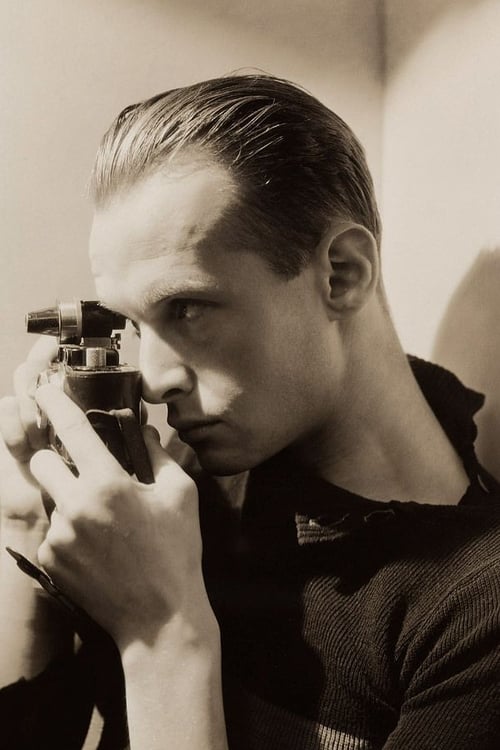
A good insight insights into the one of the greatest minds in photography. Henri Cartier-Bresson (August 22, 1908 -- August 3, 2004) was a French photographer considered to be the father of photojournalism. He was an early adopter of 35 mm format, and the master of candid photography. He helped develop the street photography or life reportage style that was coined The Decisive Moment that has influenced generations of photographers who followed.
|
|