|
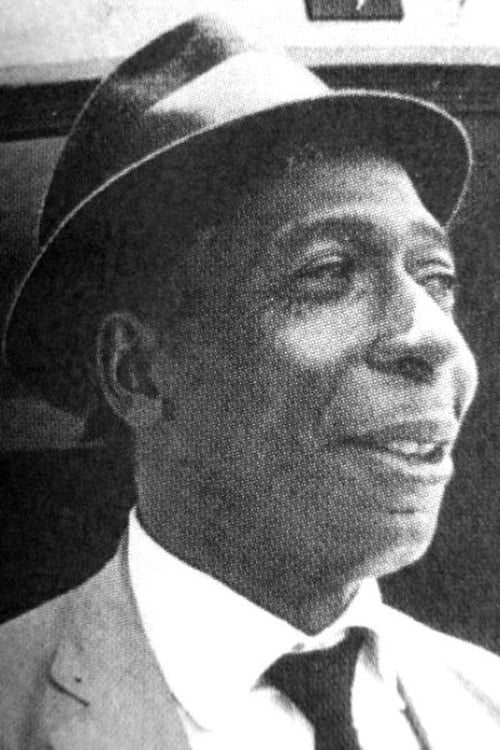
Eu Sou o Samba, Mas Pode me Chamar de Zé Ketti (2024)
Character: N/A
Zé Ketti, composer of memorable Brazilian music songs, has his story retold through testimonies from the artist himself, family and close friends. Also featuring musical performances, the film presents the different facets of the composer, actor and singer.
|
|

|
Mar Corrente (1967)
Character: Samba Dancer
Helena, married to decorator Bruno, is a woman dissatisfied with the futility of social life. She rekindles her relationship with her former boyfriend, Clóvis, and discovers how difficult the struggle for happiness is by seeing the example of the less fortunate. After saving herself from the rough seas on the beach, Helena finds herself possessed by a mystical fear. On New Year's Eve, while the people celebrate Iemanjá, Helena and Bruno throw a lavish party. Their employee, Luiz, is arrested as a suspect in the death of a woman found on the beach. Having a disagreement with her husband, Helena leaves the party and throws herself into the sea. She is saved by Umbanda followers and welcomed by Bruno, who tries in vain to comfort her.
|
|
|
|
|
|

|
L'Homme de Rio (1964)
Character: N/A
French military man Adrien Dufourquet gets an eight-day furlough to visit his fiancée, Agnès. But when he arrives in Paris, he learns that her late father's partner, museum curator Professor Catalan, has just been kidnapped by a group of Amazon tribesmen who have also stolen a priceless statue from the museum. Adrien and Agnès pursue the kidnappers to Brazil, where they learn that the statue is the key to a hidden Amazon treasure.
|
|

|
Memórias do Grupo Opinião (2019)
Character: Self (archive footage)
Follows the story of Opinião, a theatre group created in 1964 during the early Brazilian dictatorship period to oppose the government through artistic performances. Considered the first left-wing response to the dictatorship, the group gathered now famous Brazilian artists such as Nara Leão, Maria Bethânia, João do Vale and Millôr Fernandes.
|
|

|
Rio, Zona Norte (1957)
Character: Alaor Costa
A talented songwriter of sambas is forced to face the social injustices of the city around him.
|
|

|
Rio, 40 Graus (1955)
Character: Neguinho
On a scorching summer day in Rio de Janeiro, five impoverished black boys venture out of their favela to peddle peanuts throughout the bustling city. As they navigate the various districts of Rio, they bear witness to a series of unfortunate events and encounters, unfolding a vivid tapestry of urban life in Rio de Janeiro during that period. These true misadventures shed light on the gritty reality of the city, unveiling its vibrant urban tapestry.
|
|

|
O Desafio (1965)
Character: Self
Passively facing the repression imposed by military dictatorship in 1960s Brazil, a journalist enters a personal crisis, aggravated by his affair with an industrialist's wife, who doesn't want to leave her home because of her son.
|
|

|
Não Nasci para Deixar meus Olhos Perderem Tempo (2019)
Character: Self (archive footage)
The fading of composer Zé Keti’s career. The sad portrait of Brazilian Congress closed in 1977. The pain of a mother who lost her 15-year old daughter run over by a car. The Brazilian Presidents since Castelo Branco. Characters and settings registered through the keen and sensitive perspective of photographer Orlando Brito, in a career spanning 50 years as a professional. From the political sidelines to the lives of Brazilians from the interior, Brito recalls experiences and discusses the role of the photographer and the pain of registering someone’s grief.
|
|

|
Boca de Ouro (1963)
Character: Anotador de apostas
After a powerful outlaw dies, a reporter interviews his lover and gets three different stories about the legendary man.
|
|

|
A Grande Cidade (1966)
Character: Compositor
In search of a better life, Luzia leaves the Northeast of Brazil and goes to Rio de Janeiro, looking for her fiance who went first to pave their way. Alone in the Marvelous City, she is forced to accept the friendship and protection of Calunga and, later, the company of Inácio.
|
|

|
A Falecida (1965)
Character: N/A
After visiting a fortune teller, Zulmira is informed that a blonde woman will threaten her peace. After talking to her husband Toninho, she suspects that her cousin Glorinha may be that blonde.
|
|