|
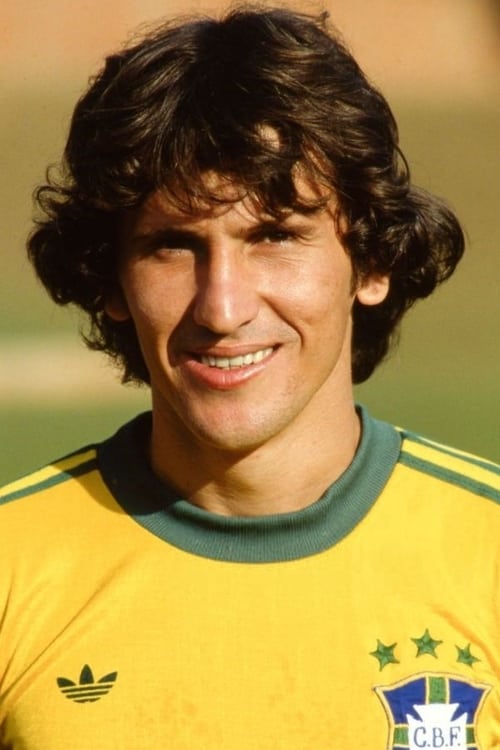
Zico (2002)
Character: N/A
Docudrama about the life and career of Zico, Arthur Antunes Coimbra, one of the greatest Brazilian football players ever. An amazing journey of conquers and victories. His overcoming and perseverant spirit are a living example of the Brazilian capacity to fight all barriers of prejudice and accomplish much more than was ever expected. To become a hero.
|
|

|
Geraldinos (2015)
Character: himself
Maracanã was built for the first World Cup in Brazil in 1950. Initially, it had a democratic space called General. The record analyzes the recent works in the stadium and shows classic fans.
|
|

|
Flamengo: Um Século de Paixão (1995)
Character: Self
When Brazilian multi-sport club completed its 100th anniversary, this documentary narrated its story by interviewing some of its most important sportsmen ever, in football, basketball, rowing.
|
|

|
Heróis de Uma Nação (2007)
Character: Himself
Documentary about the conquest of the 1981 Libertadores Cup, won by Flamengo, the most popular soccer club in the world.
|
|
|
|

|
Futebol Arte (2022)
Character: Himself
Zico, Falcao, Socrates and so many more... In this documentary, featuring exclusive interviews with the protagonists, discover what made the Brazilian team at 1982 FIFA World Cup so spellbinding to watch. Experience the joy, excitement and ultimately heartbreak of the team that turned football into art.
|
|

|
Itaperuna Esporte Clube - A Águia do Noroeste (2025)
Character: N/A
Documentary about the team from a small town that played against the big teams from Rio de Janeiro in the 1980s and 1990s and almost qualified to the top level Brazilian Championship, losing the place in a lot.
|
|

|
Uma Aventura do Zico (1998)
Character: Zico / Zicópia
Rich and spoiled kid, frustrated for not being chosen to join the soccer lessons his idol Zico was going to give, asks his father to clone the player. But a small girl smells something fishy going on and asks her friends to help save the Brazilian soccer star.
|
|

|
L'allenatore nel pallone (1984)
Character: Sé stesso
Oronzo Canà is called to coach Longobarda, the football team of a small town of Northern Italy, newly promoted to the First Division. His only task is not to be relegated, but Longobarda's owner plots against him, finding the team's current ranking far too expensive, and his top Brazilian striker is affected by a deep saudade.
|
|

|
Copa 78 - O Poder do Futebol (1979)
Character: Self
Documentary about the Football World Cup held in Argentina in 1978, focusing on the competition and behind the scenes of the most important soccer competition in the world. Two versions of the 1978 official film exist, the first "Copa 78 - O Poder do Futebol" was made by Brazilian directors Maurício Sherman and Victor di Mello in 1979 but was later withdrawn by FIFA because of its controversial content. The film includes an interview with Rodolfo Galimberti, one of the leaders of the Montoneros guerrilla group and also made accusations that the Argentinian competition organisation committee had deliberately hindered Brazilian chances of success by tampering with the pitch at Mar del Plata.
|
|

|
Mallandro: O Errado que Deu Certo (2024)
Character: Zico
Comedian Sérgio Mallandro is going through a bad phase in his life. Money is getting tighter and tighter, and he even tries to work as a ride-hailing driver, but he can't because, even in disguise, he always ends up being recognized by his passengers. Then an opportunity arises to return to television, but the comedian ends up in trouble and can no longer say any of his famous catchphrases. Mallandro now needs to reinvent himself to get one last chance at his artistic career.
|
|

|
Sócrates, O Artista (2014)
Character: Self
Directed by Martin Ainstein as part of the "Destino Futebol" series, the documentary, produced by ESPN Films, tells the moving story of former player and doctor Sócrates, who passed away on December 4, 2011. The documentary features testimonies from members of the former Corinthians player's family, including his brothers, among them the former player Raí, his mother, and his son Gustavo. Journalists Juca Kfouri, José Trajano, and Xico Sá are also interviewed, as well as musician Toquinho and former Corinthians and Brazilian national team teammates such as Zico and Wladimir. The production showcases Sócrates' time studying medicine in Ribeirão, his journey through the teams Botafogo de Ribeirão Preto, Corinthians, Fiorentina, Flamengo, and, of course, the national team. It's a great story told by people who knew the idol, remembering key moments of Sócrates' career as a doctor, player, musician, and writer.
|
|

|
Paolo Rossi: A Champion is a Dreamer Who Never Gives Up (2020)
Character: Self
On July 11, 1982, Italy defeated West Germany 3-1 and unexpectedly won the World Cup. Paolo Rossi, better known as Pablito, described by Pele and Maradona as the greatest champion in football history, guided Italy towards the title. The fascinating parable of Paolo Rossi's life story, which culminated in the realization of his greatest dream: to become a world champion.
|
|

|
Kaiser: The Greatest Footballer Never to Play Football (2018)
Character: Himself
Carlos "Kaiser" Henrique Raposo was a professional footballer. But he never actually played a game. By convincing others of his abilities (with help from journalist friends) he moved from club to club, avoiding football but partying hard.
|
|
|
|

|
Flamengo Paixão (1980)
Character: N/A
Documentary about Flamengo, one of the most popular soccer teams in Brazil
|
|

|
Meu cunhado é um vampiro (2023)
Character: Zico
Fernandinho is a family man, former football player and a current podcast commentator that is surprised by the visit of his inconvenient brother-in-law, Gregorio, who discovers to be lazy and literally a bloodsucker - a vampire.
|
|

|
Voltando a ler Graúna (2024)
Character: Self
The documentary reconstructs the history of Graúna, one of the most famous comic characters in Brazil during the '70s. Analyzing creator Henfil's usage of this poor, little, female blackbird to criticize the social inequities and censorship in Brazil of the time, testimonies from family and fellow cartoonists shed light into why "Reading Again Graúna" is still relevant today.
|
|