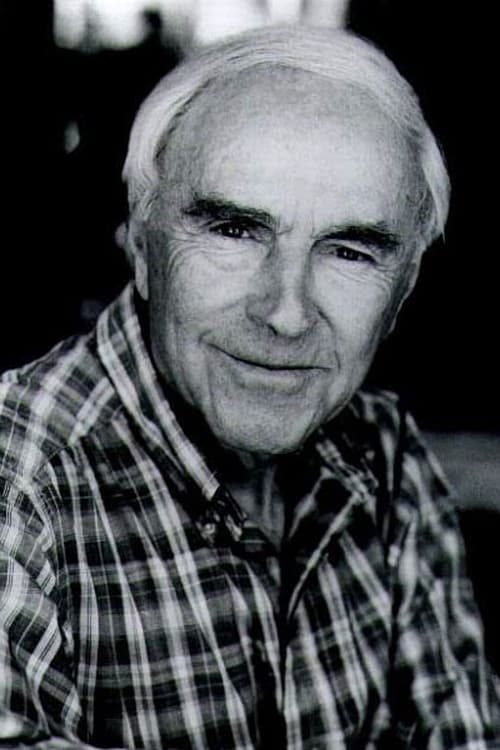
Richard Fleischer

Personal Info

Known For

Directing

Known Credits

0.9892

Gender

Male

Birthday

08-Dec-1916

Age

(110 years old)

Place of Birth

Brooklyn, New York City, New York, USA

Also Known As
  • Richard O. Fleischer
  • Dick Fleischer
  • Richard Owen Fleischer

Richard Fleischer

Biography

From Wikipedia, the free encyclopedia. Richard O. Fleischer (December 8, 1916 – March 25, 2006) was an American film director. Fleischer was born in Brooklyn, the son of Essie (née Goldstein) and animator/producer Max Fleischer. After graduating from Brown University, he went to Yale School of Drama, where he met his future wife, Mary Dickson. His film career began in 1942 at the RKO studio, directing shorts, documentaries, and compilations of forgotten silent features. Fleischer moved to Los Angeles and was assigned his first feature, Child of Divorce (1946). In 1954, he was chosen by Walt Disney (his father's former rival as a cartoon producer) to direct 20,000 Leagues Under the Sea starring Kirk Douglas. In 1955 Fox signed Fleischer to a long term contract. He would work for that studio for the next fifteen years. His first film under his new contract with Fox was The Girl in the Red Velvet Swing (1955). Kirk Douglas hired Fleischer to make The Vikings (1958), which was another big hit. He then moved to Paris where he directed two stories for Darryl F. Zanuck starring Greco. Fleischer then signed a contract with Dino de Laurentiis to make Barabbas (1962). Back in Hollywood, Richard Zanuck had become head of production at Fox and offered Fleischer Fantastic Voyage (1966). It was a success and resurrected his Hollywood career. Che! (1969), a biopic of Che Guevera that starred Omar Sharif, was an expensive flop, as was an account of the attack on Pearl Harbor, Tora! Tora! Tora! (1970). This was his last film for 20th Century Fox. Fleischer travelled to England, where he directed an acclaimed thriller, 10 Rillington Place. See No Evil (1971) with Mia Farrow was another thriller. In Hollywood, he made The New Centurions (1972). At MGM, he made a science-fiction film, Soylent Green (1973), with Charlton Heston. He was reunited with De Laurentiis for the popular, if controversial, Mandingo (1975). The Prince and the Pauper (1977) was a version of the Mark Twain novel that featured Heston, Harrison and Scott in its cast. Fleischer was then hired on Ashanti (1979), starring Michael Caine, which turned out to be a flop. Tough Enough (1983) was about the Toughman Contest starring Dennis Quaid. He made three more for de Laurentiis. His final theatrical feature was Million Dollar Mystery (1987). Fleischer was chairman of Fleischer Studios, which today handles the licensing of Betty Boop and Koko the Clown. In June 2005, he released his memoirs of his father's career in Out of the Inkwell: Max Fleischer and the Animation Revolution. Fleischer's 1993 autobiography, Just Tell Me When to Cry, described his many difficulties with actors, writers and producers. Description above from the Wikipedia article Richard O. Fleischer, licensed under CC-BY-SA, full list of contributors on Wikipedia.

Credits

Make Mine Memories Make Mine Memories (1945) Character: Director
Richard Fleischer provides a funny twist and amusing narrative commentary by Ward Wilson on two re-edited silent films in this RKO short film.
Cineastes contra magnats Cineastes contra magnats (2005) Character: Self
How the cinema industry does not respect the author's work as it was conceived, how manipulates the motion pictures in order to make them easier to watch by an undemanding audience or even how mutilates them to adapt the original formats and runtimes to the restrictive frame of the television screen and the abusive requirements of advertising. (Followed by “Filmmakers in Action.”)
The Making of 20,000 Leagues Under The Sea The Making of 20,000 Leagues Under The Sea (2003) Character: Self
With rare behind-the-scenes footage, a detailed look at the making of Walt Disney’s adaptation of the Jules Verne novel 20,000 Leagues Under The Sea.
A Look at the World of 'Soylent Green' A Look at the World of 'Soylent Green' (1973) Character: Self
This promotional short film for "Soylent Green" (1973) begins by showing clips of films that depicted what the future might be like beyond Earth. The narrator then discusses the origin of the idea depicted in "Soylent Green." Director Richard Fleischer and star Charlton Heston discuss how an upcoming crowd scene will be filmed. Then we see what happens when the crowd riots because there is not enough food available to be distributed to everyone. "Soylent Green" was Edward G. Robinson's 101st (and, as it turned out, his last) feature film. During a break in filming, the cast and crew hold a ceremony celebrating the first film of his "second hundred," and Robinson makes appreciative remarks to the crowd. Studio head Jack L. Warner and friend George Burns are among those in attendance.
Murder by Numbers Murder by Numbers (2004) Character: Self
A documentary on serial killer films.
Männer im Trenchcoat, Frauen im Pelz Männer im Trenchcoat, Frauen im Pelz (2004) Character: Self
Film noir, which enjoyed particular success in the 1930s and 1940s, is probably the most profound genre of classic Hollywood cinema. Eckhart Schmidt tries to show the background and developments and speaks, among others, with directors such as Richard Fleischer and Robert Wise as well as with "femme fatale" actresses. Filmmakers of the following generations explain how the style and themes of noir continue to shape cinema today.
Betty Boop: Queen of the Cartoons Betty Boop: Queen of the Cartoons (1995) Character: Self
From the A&E "Biography" series, a review of the birth, development and cinematic history of Betty Boop, the flapper cartoon character who has been a popular icon since the 1930s.
Cameraman: The Life and Work of Jack Cardiff Cameraman: The Life and Work of Jack Cardiff (2010) Character: Self – Interviewee
In 2001 Jack Cardiff (1914-2009) became the first director of photography in the history of the Academy Awards to win an Honorary Oscar. But the first time he clasped the famous statuette in his hand was a half-century earlier when his Technicolor camerawork was awarded for Powell and Pressburger's Black Narcissus. Beyond John Huston's The African Queen and King Vidor's War and Peace, the films of the British-Hungarian creative duo (The Red Shoes and A Matter of Life and Death too) guaranteed immortality for the renowned cameraman whose career spanned seventy years.
Out of the Inkwell: The Fleischer Story Out of the Inkwell: The Fleischer Story (2008) Character: Himself
A documentary about the Fleischer brothers and how they revolutionized animation.


Our Work is

Designed, crafted, and built with ❤️ for fans of all kinds.


Anime | Movie
2024 Animeperson . All Rights Reserved