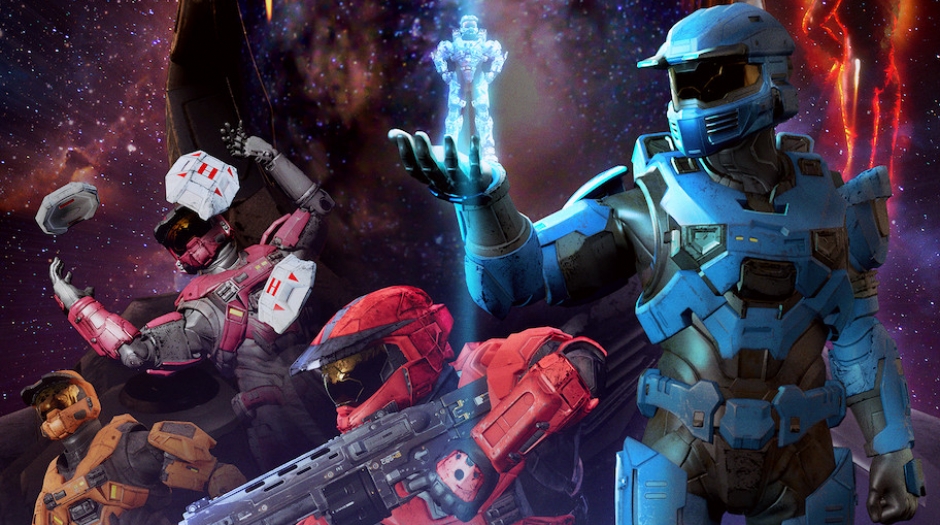
In the whirlwind of digital content that has evolved over the past two decades, few series can boast the longevity and impact of Red vs. Blue. From its humble beginnings as a quirky project among friends, this machinima marvel not only carved a niche for itself but also became a cornerstone in the lives of its creators and fans alike. The news of Rooster Teeth closing its doors, as highlighted in a poignant announcement, signals the end of an era not just for Red vs. Blue but for a community that grew alongside the series.
Red vs. Blue tapped into the zeitgeist of its time, leveraging the backdrop of the iconic Halo universe to craft a narrative that was equal parts hilarious and human. As we bid farewell to this storied series, it’s worth acknowledging the creative ingenuity behind its success. The series’ ability to adapt over 18 seasons, integrating evolving animation techniques and storytelling approaches, showcases a remarkable journey of innovation and persistence. The inclusion of various animation styles, from their initial “digital puppeteering” to utilizing Unreal Engine and 2D animation, reflects a series that grew without losing the essence of what made it special.
The closure of Rooster Teeth and the conclusion of Red vs. Blue might mark the end of production, but the legacy of both will undoubtedly live on. As the series prepared to bow out with its final film, Red vs. Blue: Restoration, it serves as a tribute not only to the fans but also to the team behind it. It reminds us of the power of storytelling and how it can connect individuals across different walks of life. For many, Red vs. Blue was more than just a series; it was a conversation starter, a source of inspiration, and a shared experience that transcended its comedic roots to probe deeper questions of existence and purpose. As we reflect on its journey, let’s celebrate the creativity, community, and conversations that Red vs. Blue sparked, keeping the spirit of Blood Gulch alive in the hearts of its fans.
Read more…